
Lesson planning is perhaps one of the most crucial aspects of a preschool teacher’s job. Not only does it enable them to chart out the activities for the coming weeks, but also assists them in setting the goals and milestones for their students. Additionally, they also play an important role in developing teaching approaches that could best support the children’s overall development and learning.
A well-written lesson plan lets the teacher establish skill sets to be achieved by the kids in different development areas including language development, number perception, cognitive abilities, and psychological and social development.
Each preschool lesson is crafted around a specific development area, and each of them is divided into several milestones. Students are assessed for each of these milestones, and their progress is evaluated accordingly. The submissions made by students help the teacher better understand their needs, strengths, and weaknesses. This also plays a crucial role in helping them come up with assessment plans.
Lesson planning stands as one of the pivotal responsibilities of a preschool teacher. It not only aids in mapping out sensory activities for the upcoming weeks but also assists in establishing goals and milestones for students.
Moreover, it plays a vital role in devising teaching methodologies that effectively support children's overall development and learning.
A well-crafted lesson plan allows teachers to delineate the skill sets to be achieved by children across various developmental areas, including language development, numeracy skills, cognitive abilities, and socio-emotional growth.
Each preschool lesson is centered around a specific developmental domain, with several milestones delineated within. Students are evaluated against these milestones, enabling teachers to gauge their progress. This feedback loop helps teachers gain insights into students' needs, strengths, and weaknesses, informing subsequent assessment plans.
Preschool teachers must also be mindful of children with special needs, whether encountering developmental delays or disorders. A developmental delay refers to a child's lag in any growth area, while a developmental disorder signifies disruption in a specific aspect of growth. Thus, considering these factors is crucial when crafting lesson plans for preschoolers.
Preschool Learning Goals
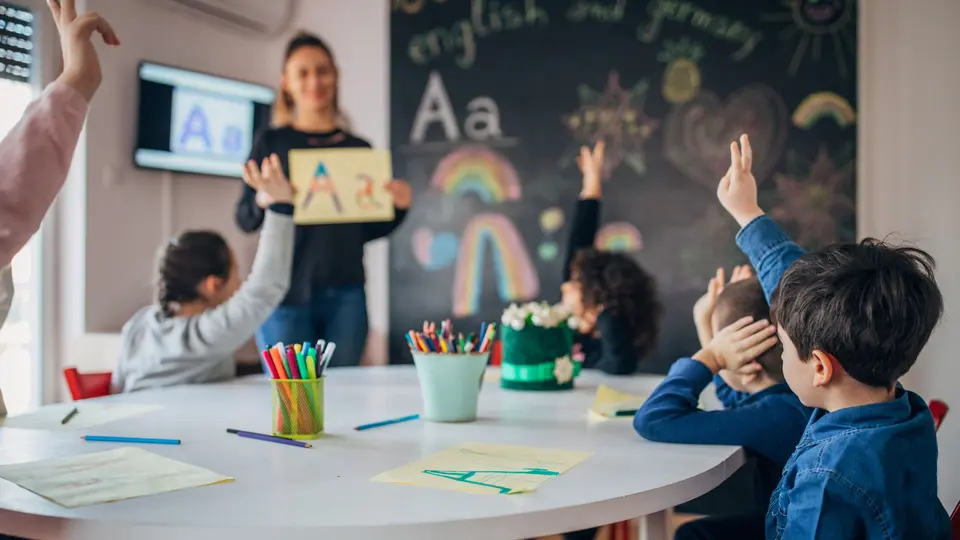
Preschool learning objectives cover a broad spectrum of developmental areas, aiming to provide young children with the essential skills and knowledge needed to succeed in kindergarten and beyond. These objectives typically encompass five primary domains:
1. Cognitive Development:
First, in cognitive development, preschoolers engage in activities to enhance language and literacy skills, including storytelling, singing, and exposure to books, while also beginning to recognize letters and sounds.
In mathematics, they build foundational skills through counting, sorting, and recognizing shapes, gradually understanding basic addition and subtraction concepts. Moreover, preschoolers develop problem-solving and critical thinking abilities by approaching challenges, experimenting with solutions, and engaging in exploratory play.
2. Social-Emotional Development:
In the domain of social-emotional development, preschoolers focus on several key areas. Firstly, they engage in socialization activities where they learn to interact with peers, share, take turns, and cooperate, fostering empathy and emotional management skills. Additionally, they learn self-regulation techniques to manage emotions, control impulses, and make appropriate choices. Lastly, children work on building self-esteem, cultivating a positive sense of self-worth and confidence in their abilities.
3. Physical Development:
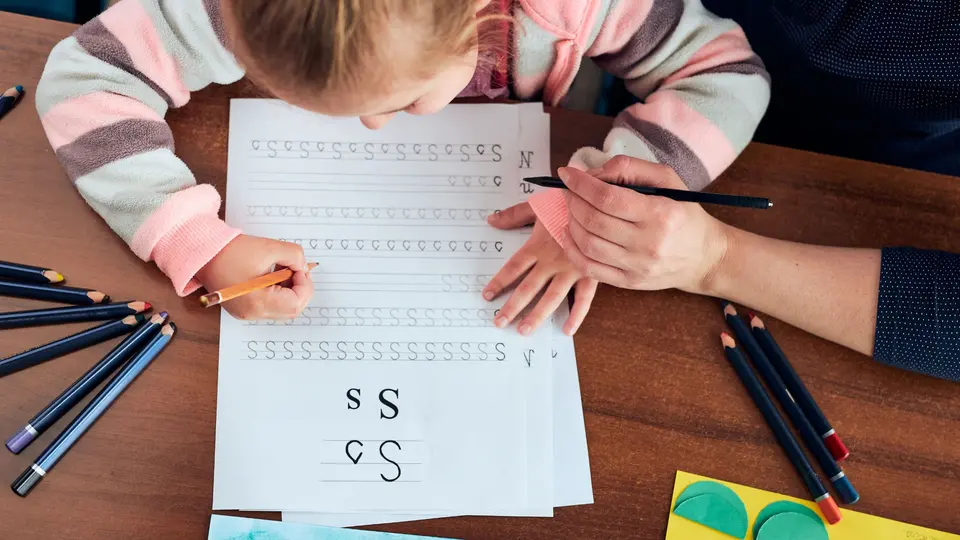
In terms of physical development, preschoolers focus on enhancing both gross motor skills and fine motor skills. Gross motor skills involve the development of large muscles, which children engage through activities such as running, jumping, climbing, and playing with balls. Meanwhile, fine motor skills entail the refinement of small muscles, which preschoolers develop through activities like drawing, painting, cutting, and using manipulatives. These activities contribute to the overall physical growth and dexterity of young children.
4. Creative Development:
In the realm of creative development, preschoolers engage in activities that foster imagination and exploration. They utilize their imaginations through pretend play, storytelling, and artistic endeavors, allowing them to express themselves creatively. Additionally, children explore their surroundings and experiment with various materials and activities, encouraging curiosity and innovation. These experiences contribute to the development of creativity and problem-solving skills in young learners.
5. Personal Care and Hygiene:
In the domain of personal care and hygiene, preschoolers focus on developing independence and healthy habits. They learn to perform basic self-care tasks independently, including dressing, eating, and using the toilet. Additionally, children are educated about healthy choices, such as consuming nutritious foods, ensuring an adequate amount of sleep, and practicing proper hygiene habits like washing their hands regularly. These skills and habits contribute to their overall well-being and self-sufficiency.
Also read: What Does Developmentally Appropriate Practice Mean?
The Importance of Preschool Lesson Plans
Preschool lesson plans play a vital role in early childhood education, serving as a roadmap for effective learning and development. Here's why they are crucial:
- Structured Learning with Clear Objectives: Lesson plans establish a framework for the learning experience, defining specific goals and objectives for each activity. This clarity helps teachers ensure that activities and materials are aligned with expected learning outcomes.
- Engaging and Age-Appropriate Activities: Well-designed lesson plans incorporate diverse activities that cater to different learning styles, keeping young children engaged. These activities often involve play, exploration, and interaction, which are essential for preschoolers' development.
- Sequential Learning and Progression: Lesson plans create a sequence of activities that build upon each other, promoting gradual learning progress. This ensures that children acquire new skills and knowledge in a logical and connected manner.
- Flexibility and Adaptability: While providing structure, good lesson plans also allow for flexibility. Teachers can adjust activities based on individual student needs or unexpected situations, adapting to the dynamic preschool environment.
- Assessment and Reflection: Lesson plans can be used to assess student learning and identify areas where children may need additional support. They also enable teachers to reflect on teaching effectiveness, refining their approach for future lessons.
Additional Benefits:
- Increased Organization and Time Management: Lesson plans help teachers stay organized and manage their time efficiently, ensuring smooth transitions between activities and maximizing learning time.
- Communication and Collaboration: Lesson plans facilitate communication and collaboration between teachers, parents, and other caregivers, providing a clear understanding of learning goals and activities.
How to Incorporate Themes in Preschool Lesson Plans
- Choose Age-Appropriate Themes: Select themes that resonate with the interests and developmental level of your students. Consider topics like animals, seasons, colors, holidays, or community helpers.
- Involve Children in Theme Selection: When possible, involve children in choosing themes. This can be done through discussions, brainstorming sessions, or even letting them vote on their preferred options.
- Plan Activities Across Learning Domains: Create engaging math activities that integrate different learning areas:
- Language Arts: Read stories, sing songs, write simple sentences, create vocabulary lists, or engage in dramatic play related to the theme.
- Math: Count objects, sort by size or color, compare quantities, or create patterns related to the theme.
- Science: Explore nature, conduct simple experiments, discuss animals and their habitats, or learn about relevant weather patterns.
- Social-Emotional Development: Role-play social scenarios, practice sharing and taking turns through thematic activities, or discuss emotions related to the theme.
- Physical Development: Play gross motor games, engage in fine motor activities like drawing or building, or participate in movement activities related to the theme.
- Utilize a Variety of Teaching Methods: Incorporate various teaching methods such as storytelling, singing, hands-on activities, group discussions, and field trips to keep children engaged and cater to different learning styles.
4. Create a Thematic Learning Environment: Decorate your classroom with visuals, manipulatives, and age-appropriate materials related to the theme. This further immerses children in the learning experience and reinforces thematic concepts.
Before Diving into Lesson Planning for your Preschool classroom, Here are Some Crucial Things to Consider:
1. Understanding Your Students:
- Age and Developmental Stage: Tailor goals and activities to suit the capabilities and needs of different age groups within preschool.
- Individual Interests and Learning Styles: Observe and document students' interests, preferred learning styles, and pace to personalize lessons.
- Prior Knowledge and Skills: Assess existing knowledge to build upon and avoid introducing overly complex or repetitive concepts.
2. Aligning with Curriculum and Learning Goals:
- Standards and Learning Framework: Ensure lesson plans align with curriculum standards or learning frameworks.
- Specific Learning Goals: Define clear objectives for each lesson, focusing on the cognitive, social-emotional, physical, creative, and personal development domains.
3. Choosing Engaging and Age-Appropriate Activities:
- Variety and Appeal: Incorporate diverse activities such as storytelling, singing, movement, and hands-on exploration to cater to different learning styles.
- Age-appropriateness: Ensure activities are suitable for the developmental level of preschoolers to prevent frustration or boredom.
- Safety and Materials: Use safe, age-appropriate materials that spark curiosity and are readily available for hands-on learning experiences.
4. Time Considerations and Pacing:
- Attention Spans: Plan shorter activities with clear transitions to maintain preschoolers' focus.
- Routine and Structure: Establish a consistent daily routine with predictable transitions to provide a sense of security and organization.
- Flexibility: Be prepared to adapt plans based on student needs and unexpected situations.
5. Integrating Themes and Play-Based Learning:
- Thematic Learning: Incorporate thematic units to connect learning across different domains and deepen understanding.
- Play-Based Learning: Design activities that encourage exploration, discovery, and creativity through play, recognizing its importance in preschool education.
Example of Lesson Plan Template for Preschool
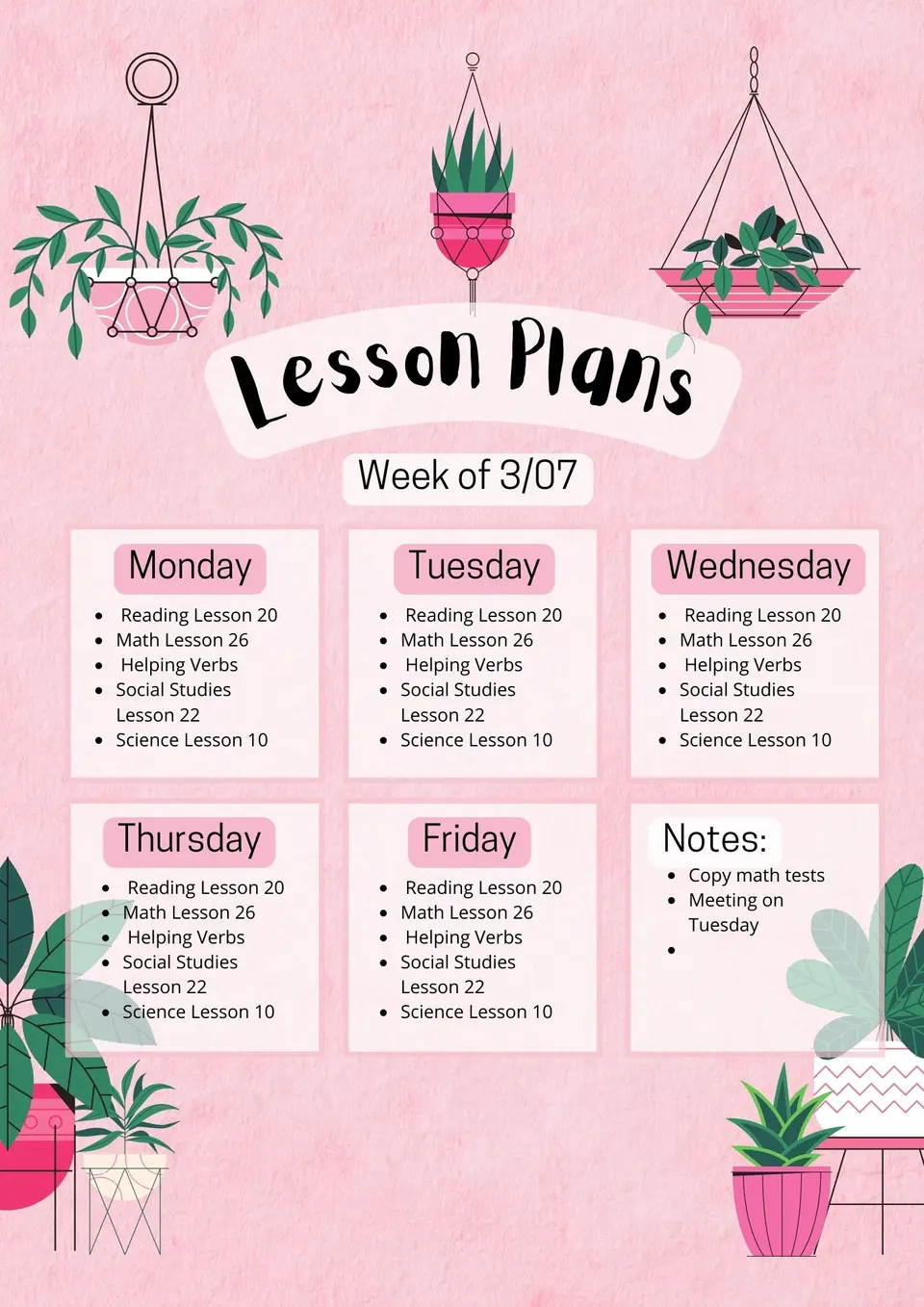
Captivating Preschool Lesson Plans: A Recipe for Fun and Learning
- Begin with a clear goal: What do you want your young learners to accomplish by the end of the lesson? Keep it focused on one or two objectives, such as learning new words or practicing motor skills.
- Add some fun with play-based learning: Preschoolers learn best through play! Incorporate activities like singing, building, or imaginative play to make learning enjoyable and engaging.
- Tailor activities to their interests: Take note of what interests them, whether it's dinosaurs, space, or buildings. Choose a theme that excites them and integrate it into the lesson.
- Keep it concise: Attention spans are short, so plan activities in short segments with smooth transitions to maintain their focus.
- Stimulate all senses: Use materials that appeal to sight, touch, smell, and taste (if appropriate) to create a multi-sensory learning experience.
- Encourage interaction: Preschoolers thrive on interaction, so include open-ended questions, group activities, and opportunities for creativity to keep them engaged.
- Address social-emotional development: In addition to academics, incorporate activities that promote sharing, turn-taking, and positively expressing emotions.
- Stay flexible: Be ready to adjust your plans if needed. If something isn't working, be willing to switch gears and try something different.
7 Preschool Lesson Plan Ideas to Spark Curiosity:
1. Sensory Rainbow Rice Exploration:
- Goal: Encourage children to explore colors, textures, and practice counting.
- Supplies: Uncooked rice dyed in various colors, plastic containers, scoops, spoons, and small toys.
- Activity: Let the children pour, scoop, and hide toys in the colorful rice. Prompt them to name the colors and count the scoops of rice they use.
2. Story Time Around the World:
- Goal: Foster an appreciation for diverse cultures and enhance listening skills.
- Supplies: Children's books featuring stories from different cultures, globes, or maps (optional).
- Activity: Read a story from another culture, discussing illustrations, customs, and foods. If available, show the story's location on a globe or map. Encourage children to share their own cultural experiences.
3. Planting Seedlings for Future Farmers:
- Goal: Learn about plant growth and develop a sense of responsibility.
- Supplies: Pots, soil, seeds (beans, peas, sunflower), watering can.
- Activity: Guide children in planting seeds and explain plant growth stages. Water the seeds together and encourage daily observation and care for the plants.
4. Building a Cardboard Box City:
- Goal: Stimulate creativity, problem-solving, and fine motor skills.
- Supplies: Large cardboard boxes, art supplies (markers, crayons, paint), and tape.
- Activity: Provide boxes and art supplies for children to design and build a city. Encourage collaboration and problem-solving as they work together.
5. Shake, Rattle, and Roll!: Musical Instrument Creation:
- Goal: Explore sounds, and music, and encourage creativity.
- Supplies: Recycled materials like plastic containers, beans, rice, spoons, and cardboard tubes.
- Activity: Assist children in making their instruments from recycled materials. Decorate and experiment with sounds, creating simple rhythms together.
6. The Five Senses Scavenger Hunt:
- Goal: Engage all senses and improve observation skills.
- Supplies: Optional blindfolds, objects with different textures, smells, and sounds.
- Activity: Hide sensory objects around the room and guide children to find them using touch, smell, or hearing, optionally blindfolded.
7. Friendship Cookies for Sharing:
- Goal: Encourage social interaction, cooperation, and following instructions.
- Supplies: Basic cookie recipe ingredients, mixing bowls, spoons, cookie cutters, and baking sheets.
- Activity: Read a friendship story and discuss sharing. Follow a simple cookie recipe, taking turns mixing and shaping dough. Bake and enjoy cookies together to promote community and sharing.